Hot Melt Adhesive for Express Bags Industry

Hot Melt Adhesive for Express Bags Industry

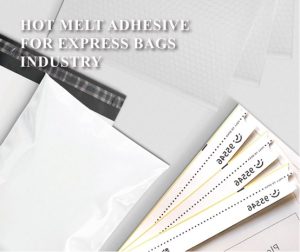
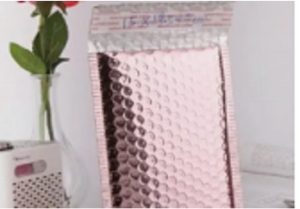
Hot melt adhesives formulated for the express bags (courier bags) industry are engineered to deliver instant bonding, robust security, and excellent processability on low-surface-energy substrates such as LDPE, LLDPE, or co-extruded films. These adhesives are typically delivered as hot-applied extrudates or coated molten formulations onto sealing strips integrated into the bag structure. Key functional demands include high initial hot-tack for immediate closure, irreversible bond strength to deter tampering, stable viscosity across operating temperatures for consistent application, and compatibility with high-speed converting lines.

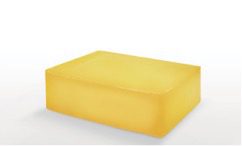
Structurally, the product is a carefully balanced blend of thermoplastic polymers (commonly EVA, metallocene polyolefins, or tailored polyolefin copolymers), tackifiers, waxes, and additives that jointly control melt viscosity, open time, and final adhesive performance. Formulation adjustments enable fine-tuning: higher tackifier loads boost initial adhesion; specific polymer choices enhance peel strength and temperature resistance; and antioxidants or stabilizers improve shelf-life and thermal stability during processing.

Performance characteristics include rapid setting upon closure, strong peel values on low-energy films, resistant bonds across a broad temperature window (typically -20°C to +80°C service), and durable adhesion under mechanical stress and rough handling. For express bag applications, the adhesive must also show good aging properties—retaining bond integrity after

 storage and transport—and strong tamper-evident behavior: attempts to reopen the bag should either delaminate the substrate or produce clear visual evidence of interference.

Operational demands in converting require adhesives with narrow and repeatable melt viscosity profiles, low stringing during application, and stable behavior at high line speeds (often hundreds of meters per minute). Adhesives must also be compatible with lamination and slitting operations, and some formulations are optimized for solventless hot-coating processes to meet environmental and VOC concerns.

Applications cover courier bag sealing strips, tamper-evident security envelopes, adhesive closures on poly mailers, and permanently sealed luggage tags. They are critical to e-commerce logistics, secure document transport, and any application where parcel integrity is mission-critical. The adhesive enables manufacturers to produce user-activated, reliable seals that consumers can apply quickly while preserving parcel confidentiality and transit resilience.

Market dynamics are strongly tied to e-commerce volume growth, logistics automation, and security regulations. As global parcel shipments continue to surge, demand for dependable, high-performance sealing adhesives grows commensurately. Innovations focus on lowering processing temperatures for energy savings, enhancing adhesive performance on recyclable film substrates, and developing formulations compatible with bio-based polymers.

Sustainability pressures are prompting suppliers to explore recyclable adhesive systHot melt adhesiveems that allow the bag substrate to be reclaimed without contamination, and to reduce VOCs and processing energy. In summary, hot melt adhesives for express bags are a technically demanding, high-volume segment critical to modern logistics—balancing processability, security, and environmental considerations.
 

Hot melt adhesive

Hot Melt Adhesive for Low Temperature Label Industry

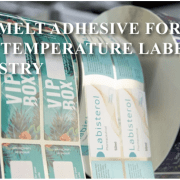
Hot melt adhesives tailored for the low-temperature label industry are highly engineered polymer systems designed to deliver rapid, reliable adhesion in sub-zero environments while maintaining excellent performance across the supply chain—from cold storage to retail shelf. These adhesives are formulated to adhere instantly to chilled, frosted, or even lightly wet surfaces found in refrigerated and frozen product packaging, and they retain peel and shear strength even at temperatures as low as -20°C to -40°C depending on the grade.

Hot melt adhesive

At the formulation level, low-temperature hot melts typically combine flexible polymer backbones (such as EVA-based or specially modified polyolefins), low-temperature tackifiers, plasticizers, and stabilizers. The plasticizer and resin selection ensures the adhesive remains soft and tacky at low temperatures—preventing the common failure mode of embrittlement. Careful balance yields adhesives that can wet the substrate at application temperature, develop initial tack rapidly to support high-speed labeling, and then provide durable bond strength during cold-chain transit.

Critical performance features include immediate adhesion on chilled surfaces, strong low-temperature peel values, resistance to moisture and condensation (common in defrost cycles), and minimal edge lift or label curl. Because many labeling operations occur at high line speeds, the adhesive must also have controlled open time and set profile to ensure placement accuracy. Additionally, compatibility with common label facestocks (paper, BOPP, PET) and container substrates (HDPE, PET, glass, metal) is essential.

Typical application sectors are frozen foods, dairy and chilled beverages, pharmaceutical cold-chain packaging, and industrial chemicals stored at low temperatures. The adhesives are used in pressure-sensitive labels, in-mold labels, and some shrink sleeve pre-adhesive systems for refrigerated SKU identification. In the pharmaceutical sector, label adhesion reliability is crucial for track-and-trace, compliance, and patient safety, particularly where labels must not peel in cold transport or storage.

Market demand for low-temperature labeling adhesives has grown substantially with the expansion of global cold-chain logistics. As consumer demand for frozen foods, refrigerated meal kits, and temperature-controlled pharmaceuticals increases, the need for adhesives that perform reliably in these environments escalates. Regulatory and traceability requirements further intensify demand, since labels must stay affixed and legible throughout the product lifecycle.

Innovation trends center on bio-based and recyclable adhesive chemistries compatible with circular packaging systems, reduced migration formulations for food and pharma safety, and enhanced adhesion on recyclable polyethylene containers. Suppliers are also developing adhesives optimized for lower application temperatures to save energy at labeling lines. In summary, hot melt adhesives for low-temperature labels are a mission-critical component of modern cold-chain logistics—ensuring identification, compliance, and product integrity from freezer to fork.


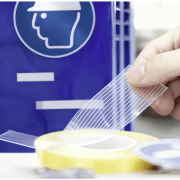
Residue-free fiberglass tape

Discover the Benefits of Weasy Residue-Free Fiberglass Tape in Home Appliances

The home appliance industry faces numerous challenges, particularly when it comes to securing components during production and transport. One of the most common issues manufacturers encounter is the use of traditional adhesive tapes that leave behind unsightly residues, detracting from the product’s overall appearance. Weasy’s residue-free fiberglass tape is designed to solve this problem effectively, providing a seamless and reliable solution for temporary fixation.


Picture a refrigerator assembly line where multiple parts need to be held in place before final assembly. The use of Weasy’s fiberglass tape allows manufacturers to secure plastic trays and shelves without worrying about adhesive marks that could compromise the appliance’s finish. This tape is engineered with a high-strength fiberglass fabric and a unique pressure-sensitive adhesive that ensures a strong bond while allowing for easy removal. This feature is particularly beneficial for manufacturers who need to make adjustments or conduct quality checks during the assembly process.Residue-free fiberglass tape

Moreover, Weasy’s tape is versatile enough to handle various materials, from metal to plastic, making it suitable for a wide range of appliances. Its high tensile strength ensures that it can withstand the stresses of transportation, keeping components securely in place even during rough handling. This durability reduces the risk of damage and enhances the overall reliability of the product, addressing a critical concern for manufacturers.

In addition to its functional benefits, Weasy’s residue-free fiberglass tape promotes a cleaner and more professional appearance for home appliances. By eliminating the risk of residue, manufacturers can deliver products that not only perform well but also look impeccable. This attention to detail can significantly enhance customer satisfaction and brand reputation in a competitive market.


In conclusion, Weasy’s residue-free fiberglass tape is an invaluable asset for the home appliance industry. By addressing the common pain points of securing components and maintaining product aesthetics, Weasy provides manufacturers with a reliable solution that enhances both operational efficiency and customer satisfaction. Choosing Weasy means investing in quality and excellence for your home appliances.